A Close Call with Rabies: A Personal Experience and Vital Information
This article details a personal experience with a dog bite, highlighting the importance of timely rabies vaccination. It provides key information on rabies, vaccination effectiveness, and steps to take after exposure to help prevent the disease.
HEALTH
6/29/20254 min read
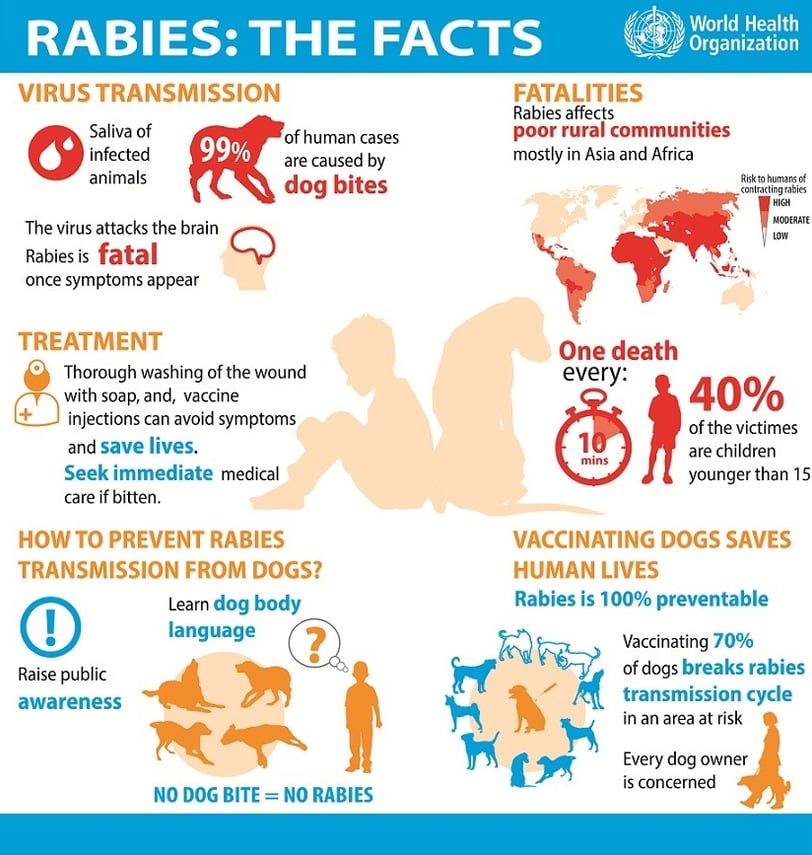
Recently, a distressing incident occurred within my family that involved my cousin being scratched by a sick puppy. Unfortunately, this episode unfolded due to a lack of awareness and timely action, leaving us deeply concerned about the potential consequences of rabies. This article reflects on the terrifying experience we faced and provides essential information about rabies, the necessary steps after a dog bite or scratch, and the importance of timely vaccination.
1. My Case: A Nerve-Wracking Situation
My cousin, who had been feeding a sick puppy, was scratched on his palm. At the time, he didn’t take this seriously, nor did he wash his hands with soap. Tragically, the puppy passed away a few days later. While my cousin initially shrugged off the incident, things took a frightening turn when he began experiencing fever and headache after 12–13 days. The situation intensified when my cousin recalled the recent encounter with the puppy and started to panic after reading about rabies online.
Upon further research, the fear of rabies escalated as he learned that it was a deadly, untreatable disease. However, after these agonizing 12–13 days, my cousin began the rabies vaccination regimen. I was overwhelmed with concern, but I also reassured him to continue the vaccination course as a precaution, though I feared that it might not be as effective due to the delay.
Fortunately, after testing, my cousin was diagnosed with typhoid fever, which brought some relief. The intense worry about rabies was, thankfully, unfounded. However, the scare left all of us shaken and led to important lessons about rabies and the need for prompt action following any animal bite.
2. Rabies: A Dangerous and Uncurable Disease
Rabies is a viral disease that affects the central nervous system. It is typically transmitted through the saliva of an infected animal, most commonly via bites or scratches. Once symptoms appear, rabies is almost universally fatal, making it one of the most dangerous diseases known to humans. The virus attacks the brain, leading to symptoms like fever, headache, fatigue, agitation, hallucinations, and paralysis. As the disease progresses, it can lead to respiratory failure, coma, and death.
Rabies is preventable if treated promptly after a bite or scratch, but once the symptoms start, the disease is nearly always fatal. This is why any potential exposure to the rabies virus, especially from an animal with uncertain health, should be taken seriously.
3. What Should You Do After a Dog Bite?
If you or someone else is bitten or scratched by an animal, it’s crucial to take immediate action. Here's what you should do:
Clean the wound thoroughly: Wash the affected area with soap and water for at least 15 minutes. This helps to remove any potential virus particles.
Seek medical attention: Go to a doctor as soon as possible. They will assess the risk of rabies and may recommend post-exposure prophylaxis (PEP), which involves a series of rabies vaccinations.
Identify the animal: If possible, identify and observe the animal for signs of rabies. If it’s a stray dog or an animal that has bitten before, seek medical help immediately.
4. Effectiveness of Rabies Vaccination
Rabies vaccination is highly effective if administered within the recommended time frame. Post-exposure prophylaxis (PEP) involves a series of rabies shots (rabies vaccine and sometimes rabies immune globulin) that work to prevent the virus from infecting the nervous system. If started soon after exposure, it provides almost 100% protection.
The vaccine stimulates the immune system to produce antibodies that fight the rabies virus, preventing it from progressing to the brain. However, the key to the vaccine's success is the timing—vaccination should be started as soon as possible after exposure to the virus, ideally within 24 hours, but can still be effective up to 14 days after exposure. Starting the vaccination process later reduces the chances of success, though it still provides some protection, especially if started within a few days.
5. What Happens If Vaccination is Started Late or Not at All?
Starting vaccination late: If the vaccination is started after a delay of several days (like in my cousin’s case), it may still offer some protection, but its effectiveness diminishes. The longer the delay, the higher the risk of the virus reaching the brain. While it’s crucial to continue with the vaccination series even after a delayed start, there is no guarantee that it will work as effectively as if it were administered promptly.
Not getting vaccinated at all: If no vaccination is received after a dog bite or scratch, there is a significant risk of developing rabies. Once symptoms appear, it’s too late for treatment, and the disease is fatal. The best option is always to err on the side of caution and complete the full vaccination regimen, even if the bite appears minor or the animal seems healthy.
The fear of rabies is real, and it can cause immense distress, as it did for my cousin and our entire family. However, this incident highlighted the importance of immediate action and understanding the severity of the situation. Rabies, though deadly, can be prevented if the correct steps are taken immediately after exposure. Timely vaccination is crucial, and starting the vaccination process as soon as possible can save lives.
If you or someone you know faces a similar situation, do not hesitate to seek medical attention, clean the wound, and start the rabies vaccination immediately. Your quick actions can make the difference between life and death.
Disclaimer:
The information in this article is for general informational purposes only and should not be considered medical advice. Always consult a healthcare professional for concerns about rabies or any medical condition.
© 2025. All rights reserved.